Expert Tips for Safeguarding Your Trees Against Extreme Weather Jun 07, 2026
Understanding the impact of extreme weather is the first step in tree preservation. Strong winds, heavy snowfall, and ice storms are some of the harsh conditions that can damage or even uproot trees. Identifying trees that are more vulnerable, such as those with shallow root systems or structural weaknesses, is crucial to focus protection efforts where they are needed most.
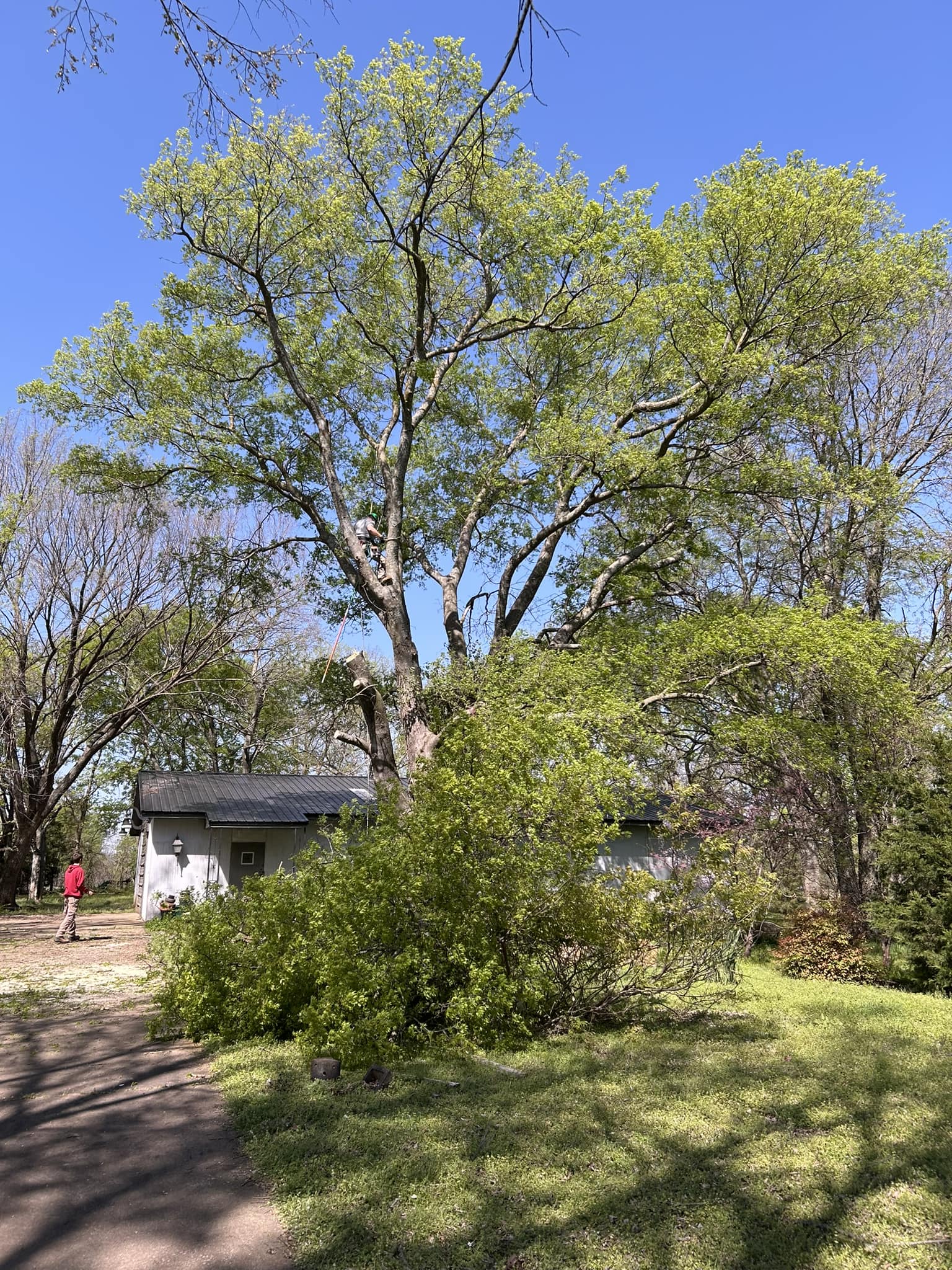
One of the most effective ways to protect your trees from high winds is to prune them regularly. Pruning helps by removing dead or weak branches that can become hazardous projectiles during a storm. Thinning the canopy also reduces wind resistance, minimizing the risk of the tree being uprooted. Late winter is often the best time to prune, as it prepares the tree for strong growth in the spring while avoiding stress from extreme temperatures.
In areas prone to heavy snowfall or ice storms, consider tools like bracing and cabling. Cabling involves attaching flexible steel cables between branches to redistribute weight and provide extra support. Bracing is similar, but it uses rigid steel rods to stabilize trees with weak branches or trunks. Both techniques can significantly enhance a tree’s ability to withstand severe weather, preventing structural failure.
Moreover, healthy trees are better equipped to endure extreme conditions, making overall tree health a priority. This involves routine watering during dry spells, using a slow-release fertilizer to boost nourishment, and conducting regular pest inspections. Healthy trees naturally fare better against pests and diseases, which can further weaken them when exposed to harsh weather.
Another crucial factor is soil health. Compacted soil can restrict root growth, increasing a tree’s vulnerability. Aerating the soil around your trees can help, as it encourages root expansion and nutrient uptake. Adding a layer of mulch not only enriches the soil but also insulates roots from temperature extremes, promoting sustained health.
Timing is also vital. Stay informed about weather forecasts and take proactive measures ahead of storms. For instance, securing any loose landscape ornaments can prevent damage, while ensuring that drainage routes are clear can prevent root flooding, which is detrimental to trees.
While these strategies are effective, sometimes professional assistance is necessary. Tree Life Tree Service offers comprehensive tree assessments and specialized care tailored to your property’s specific needs. Engaging professional services ensures that you’re equipped with the best possible plan to tackle extreme weather conditions.
In conclusion, protecting your trees from extreme weather requires a mix of vigilance, proactive measures, and sometimes, expert intervention. By implementing regular maintenance routines and being prepared for potential threats, you ensure the longevity and safety of your trees. Whether you choose to manage your own tree care or enlist the help of professionals, safeguarding your trees is an investment in the continued beauty and value of your property. Carrying out these practices diligently can provide peace of mind that your green assets are as resilient as they are beautiful.
/filters:no_upscale()/filters:format(webp)/media/ee8e3370-643b-4180-9b28-25a7e228dbcb.jpeg)