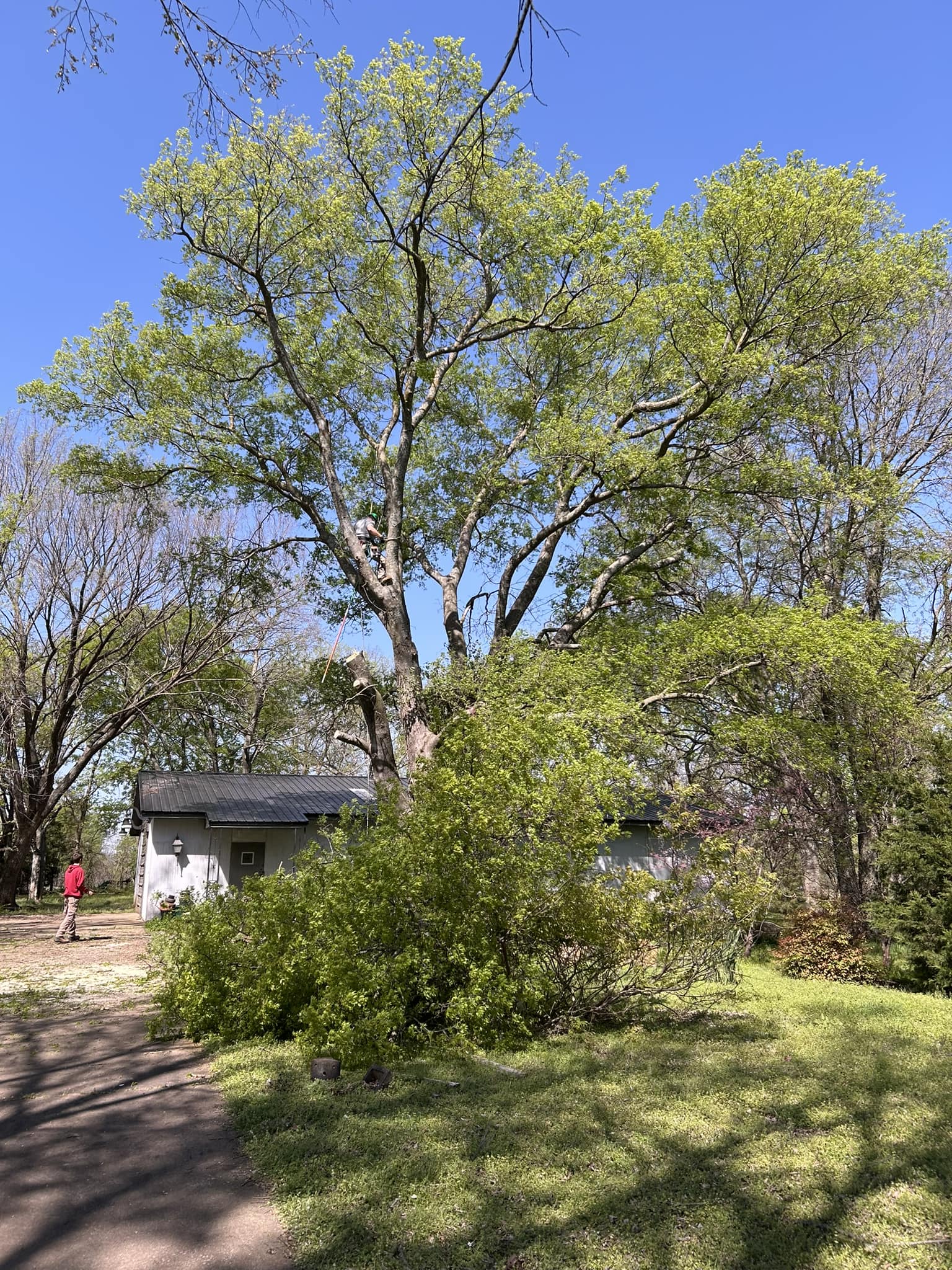
Seasonal Tree Care Tips for a Thriving Yard All Year Round May 29, 2026
As the winter season draws to a close, spring brings a rejuvenating freshness to your garden. This is the ideal time for a detailed inspection of your trees. Look for signs of damage from the harsh winter months, such as broken branches or signs of disease, which are easier to spot when fewer leaves are on the trees. Early spring is also the best time for pruning most trees, as it encourages healthy growth in the upcoming growing season. However, remember to leave flowering trees until after they've bloomed.
Summer months require a focus on water management. Even in areas with substantial rainfall, newly planted trees and those in the early years of growth may require additional watering. Deep watering once a week typically suffices, ensuring that the moisture reaches the roots. A well-mulched base can help retain moisture, protect roots from the heat, and suppress weeds. It’s also the perfect season to check for pest infestations, as insects are more active and can damage trees if not controlled promptly.
Transitioning into fall, your focus should shift towards preparing your trees for the coming winter. Autumn is an excellent time for applying mulch to retain soil temperature and moisture levels. Leaf fall is perfectly natural, but ensure to rake up and remove leaves from the lawn to prevent disease spread. It’s also crucial to conduct a structural inspection. Look for weakened branches and trim them to minimize the risk of winter storm damage. Late fall is appropriate for planting most trees, as the cooler weather reduces transplant shock and roots can establish before winter dormancy.
Winter calls for minimal intervention as trees are in their dormant phase. However, it’s essential to protect them from harsh weather conditions. Wrap the trunks of young or delicate trees to prevent sunscald and frost damage. Regularly check for ice or snow accumulation on branches, as excessive weight can cause breakage. Encouragingly, during winter, the absence of leaves makes it easier to spot damage, allowing for prompt care before spring growth.
Overall, seasonal tree care demands attention throughout the year, but the rewards are plentiful. A healthy tree not only enhances the aesthetic appeal of your landscape but also contributes positively to the environment by improving air quality and providing habitat for wildlife. Should any challenges arise that seem beyond the scope of DIY remedies, don't hesitate to reach out to Tree Life Tree Service professionals. With years of experience and expertise, we are equipped to assist with all your tree care needs, ensuring your yard thrives year-round.
Remember, proactive care is always more beneficial than reactive measures. By integrating these seasonal tips into your tree care routine, you can maintain a yard that's the envy of the neighborhood while supporting a healthy environment.
/filters:no_upscale()/filters:format(webp)/media/ee8e3370-643b-4180-9b28-25a7e228dbcb.jpeg)