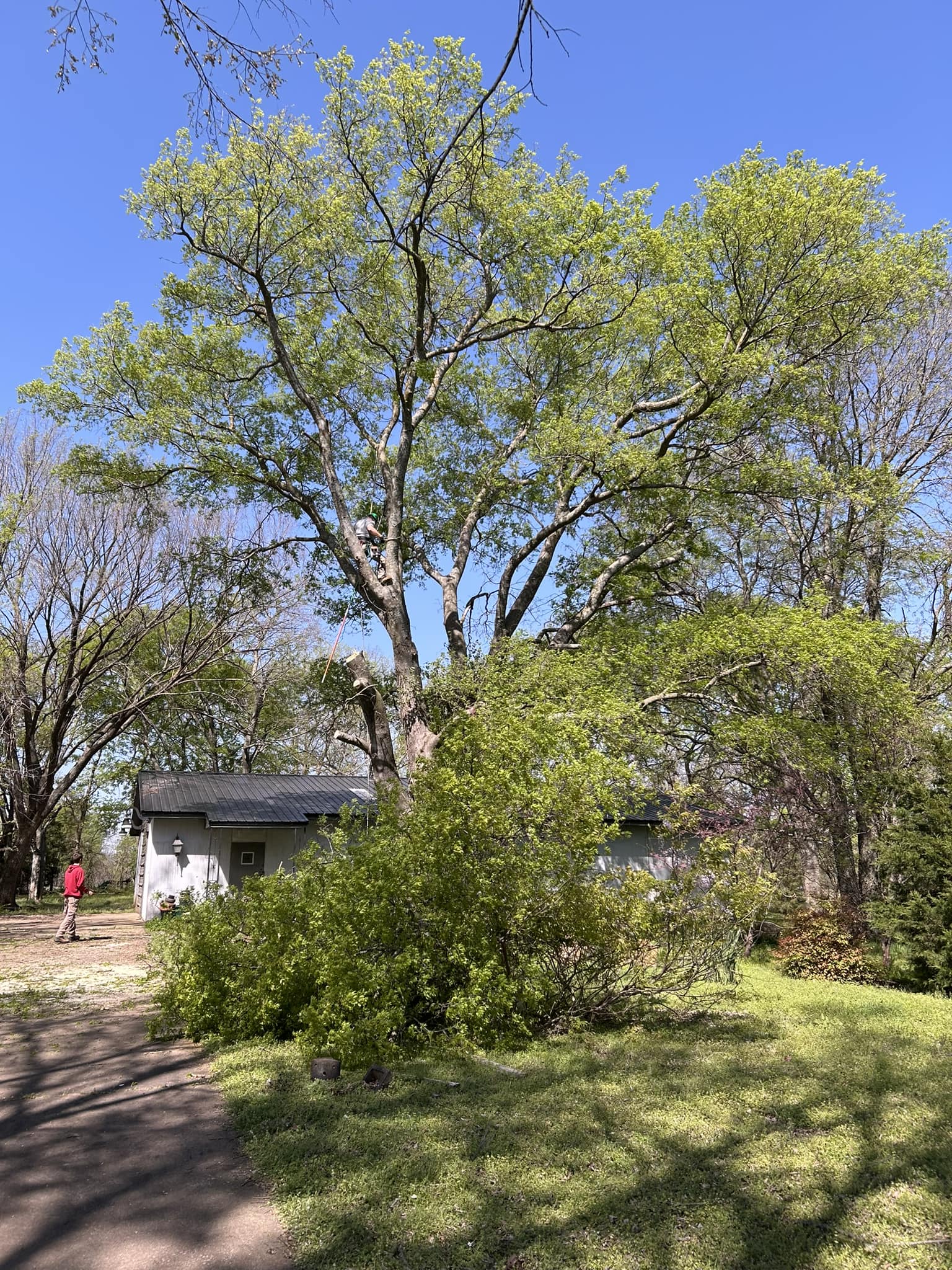
Sustainable Tree Care Practices: Nurturing Nature in Urban Landscaping May 27, 2026
The first step towards sustainable tree care is understanding the importance of selecting the right species for your local environment. Not all trees are suited to every urban landscape; selecting native species that thrive naturally in your climate and soil conditions is crucial. These trees are better adapted to local pests and diseases, require less water and maintenance, and support local wildlife. At Tree Life Tree Service, we offer guidance on selecting the right trees to ensure your urban forest thrives for years to come.
Water conservation is another critical component of sustainable tree care. Efficient watering practices not only help conserve water—a precious resource—but also prevent overwatering, which can lead to root rot and other health problems. It’s best to water trees deeply but infrequently, encouraging deep root growth and drought resistance. Using drip irrigation systems or soaker hoses can maximize water efficiency by delivering water directly to the root zone.
Pruning also plays a vital role in sustainable tree care. Regular pruning helps remove dead or diseased branches, improves air circulation, and promotes healthy growth. However, it’s important to prune trees thoughtfully. Incorrect pruning can lead to tree stress and disease susceptibility. Tree Life Tree Service’s professional arborists are trained to apply the best pruning techniques, ensuring the long-term health and sustainability of your trees.
Another fundamental practice in sustainable tree care is soil health management. Healthy soil is the foundation of a robust tree. Composting and mulching are excellent ways to enhance soil fertility naturally. Organic compost provides essential nutrients, while mulch helps retain soil moisture, moderates soil temperature, and prevents weed growth. Furthermore, avoiding chemical fertilizers and opting for natural alternatives not only benefits tree health but also minimizes environmental pollution.
Pest and disease management require careful consideration. Sustainable tree care aims to minimize chemical use by focusing on integrated pest management (IPM) approaches. This method involves monitoring trees for signs of pests and disease, using biological controls, and enhancing the tree’s natural defense mechanisms. By employing these techniques, it’s possible to safeguard the urban canopy while protecting the wider ecosystem.
Lastly, community involvement is key to fostering a culture of sustainability in urban tree care. Participating in local tree planting programs, advocating for green spaces, and educating others about the importance of trees in urban settings can make a significant impact. At Tree Life Tree Service, we encourage community engagement by providing information and resources to individuals interested in making a difference.
As cities continue to grow, integrating sustainable tree care practices into urban planning and individual landscaping efforts can lead to healthier environments and more liveable cities. By taking steps to care for trees responsibly, we all contribute to a sustainable future, ensuring that our urban landscapes are verdant, vibrant, and thriving. Partner with Tree Life Tree Service today to help nurture nature and cultivate a robust urban forest system.
/filters:no_upscale()/filters:format(webp)/media/ee8e3370-643b-4180-9b28-25a7e228dbcb.jpeg)